

Who we are?
EST 2000
Our founder is not only proficient in every link of the fashion supply chain, but also a fashion blogger. it’s precisely why our team can understand our clients’ products with such accuracy. We don’t simply help clients make garments; we get involved in their design process and empower them to build their fashion collections.
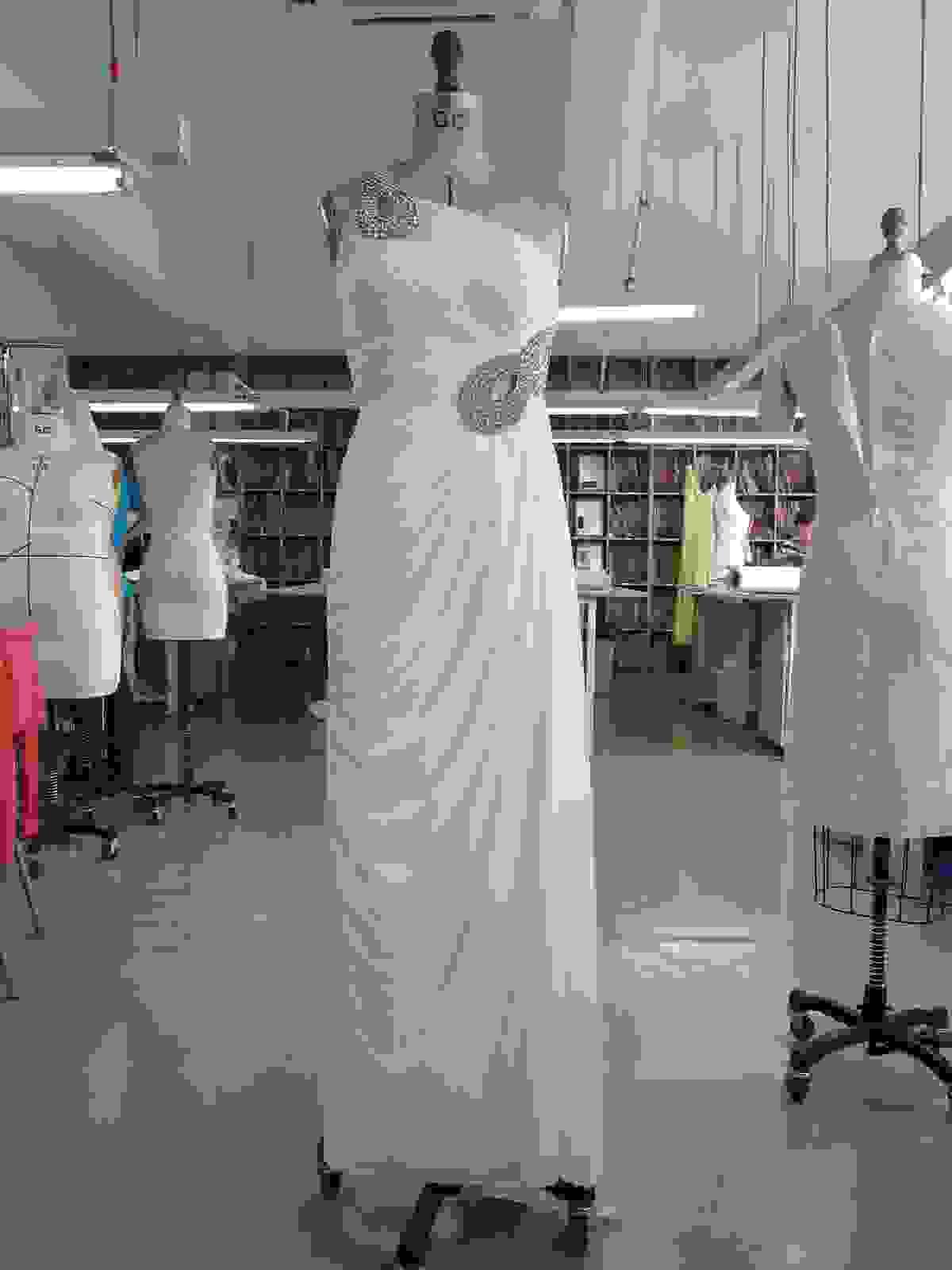
We have a small order center in Suzhou . Most of our clients’ first samples are made here. After an order is placed, small orders of up to 500 pieces are fulfilled at this center, while orders exceeding 500 pieces are produced at our subcontracted factories. Thanks to years of high‑quality production practices, our finished garments are of consistently excellent quality. In most cases, we can arrange direct shipment to destinations around the world without inspection – something we take great pride in.
Why you choose us?
super understanding on fashion
20+years' experience in working with global brands enrich us perfect understaning on fashions,we understand the brands and know what they need.
super soucing capablity
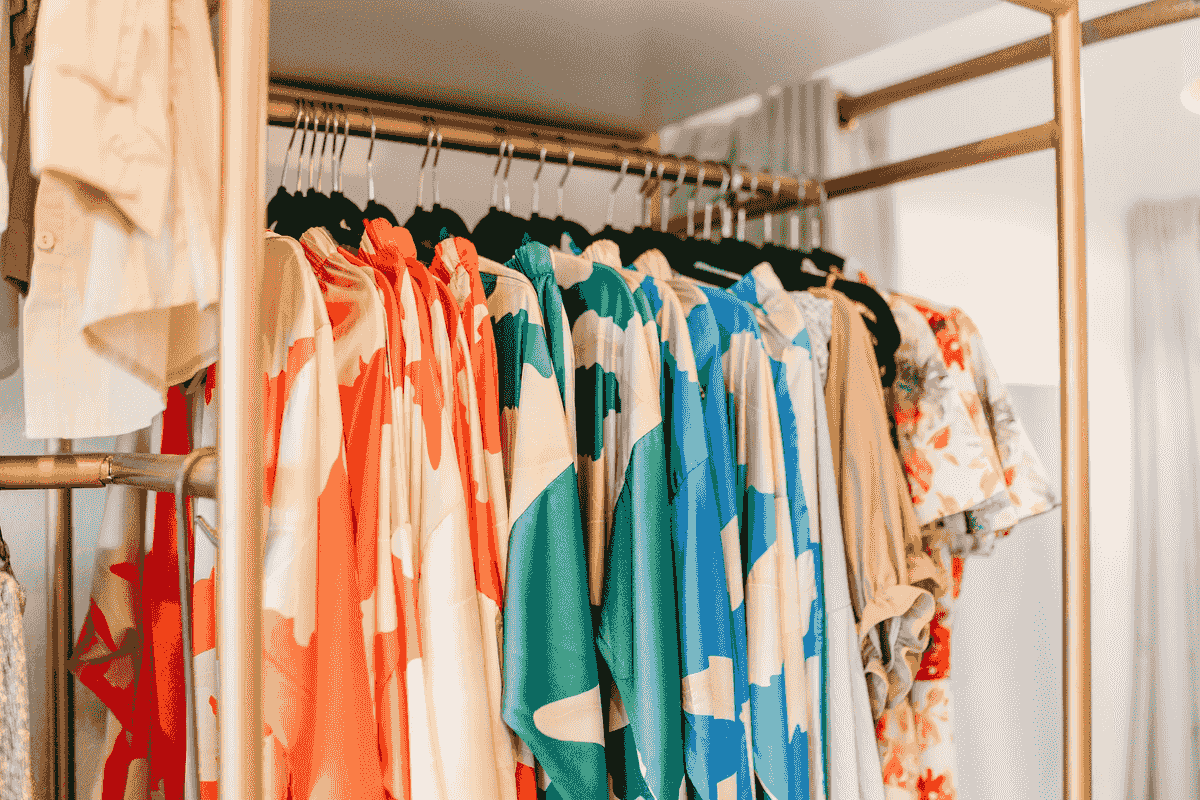
Due to various need on workmanship, like Indian embroidery, italian fabric, french lace.......or manmade work like beading, artificaial flower, we can match the correct suppliers worldwide in first time.
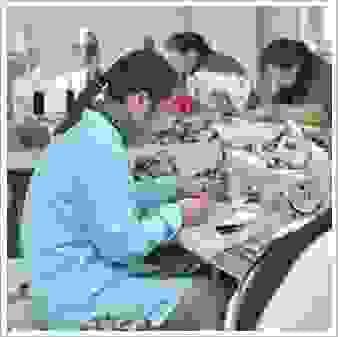
super sample development capability
Samples can be processed in time from first sample, fitting sample, proto sample or pp sample.
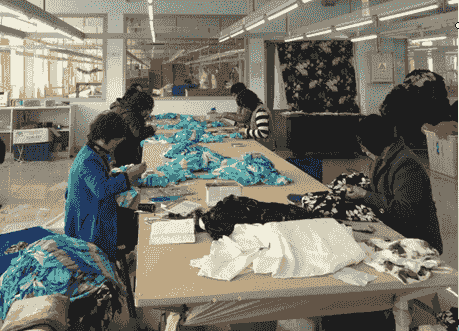
super quality control
From fabric inspection to finish goods inspection,our in line inspection syestem promise perfect production ready for shipment
Fashion requires precise work manually but not AI or robot,see how to produce high end garment!

Fabric inspection
The fabric inspection machine uses a series of rollers for feeding, guiding, and winding to smoothly and evenly unwind and convey the rolled fabric. At time, the machine employs a tension control device to keep the fabric surface flat, preventing wrinkles from interfering with inspection. While the worker is inspecting, the machine automatically performs length measurement (measuring the fabric length) and roll finishing. When the worker detects a defect, they will manually mark it and record its type and location

Manual cutting
Large placement prints and some lace styles require manual positioning and cutting to ensure that certain lace motifs—such as eyelash lace, large‑repeat prints, or embroidery—are prominently highlighted on the finished garment.

Number the cutting pieces
The fabric is laid flat in smooth layers, one on top of another. The garment paper patterns are then placed on the top layer in an optimal arrangement—this layout ensures the most efficient use of the fabric and minimises waste. After cutting, workers need to manually number each cut piece according to its part position. This numbering ensures that when sewing, all pieces belonging to the same garment are sewn together with matching numbers. For example, if the sleeve is numbered 2, then the front and back pieces should also be numbered 2. If not, it would be a disaster, because any mismatched pieces could cause colour differences in the finished garment.

Modeling the cutting pieces before sewing
On some high‑end garments, you may see perfectly symmetrical lace, embroidery, and gathers. Workers use pre‑made cardboard templates to position the cut pieces. During sewing, the sewing machine follows the positioning guides to stitch, which ensures the final result is achieved

Sewing lines
How many people's hands does the sewing of a complete garment pass through? In production, sewing accounts for the largest proportion. Factories divide sewing workers into teams, typically consisting of 15 to 25 people per team. Depending on the factory scale, in a well‑run factory, a team of 15 workers can complete 12 styles in a month—which means, on average, half a style per day, or one style every two days. Each worker is responsible for sewing one or two parts of the garment, and the work flows along like an assembly line. This is how a finished garment takes shape.
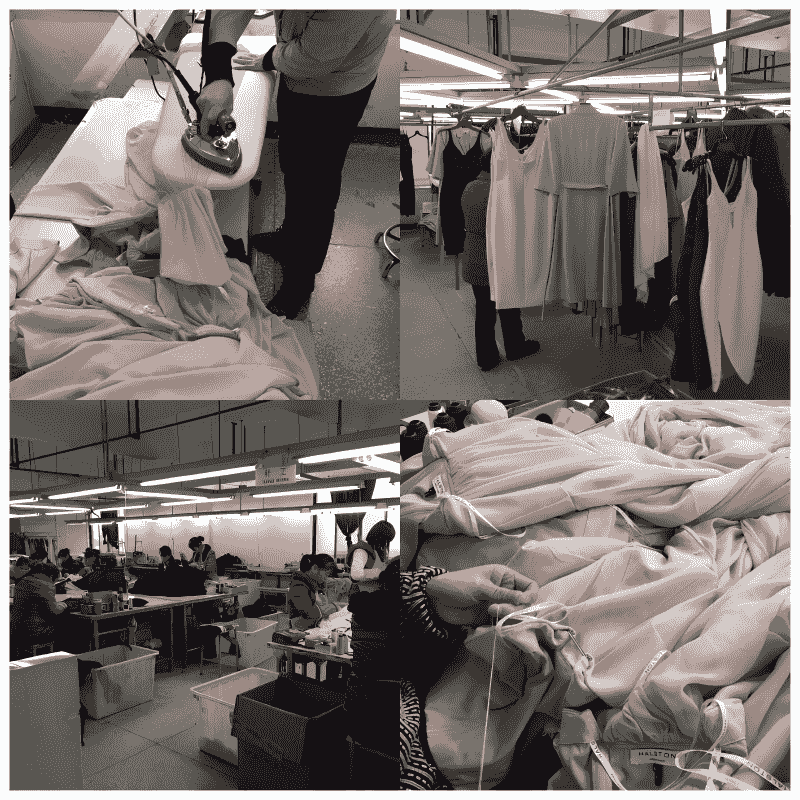
Steaming and hanging inspection and flat packing
After the sewing of high-end garments is completed, they go through a very important follow‑up finishing process. Since a lot of loose threads are generated during sewing, we first need to trim the threads and, at the same time, check for major sewing defects. Garments without major issues will then proceed directly to pressing. After pressing, these high‑end garments are hung up immediately and then enter a second inspection. The garments, now pressed and hung, can clearly display their shape and any imperfections, making it easy for us to make corrections. Garments that pass inspection will go straight to the final step—attaching the brand's hang tags for sale.
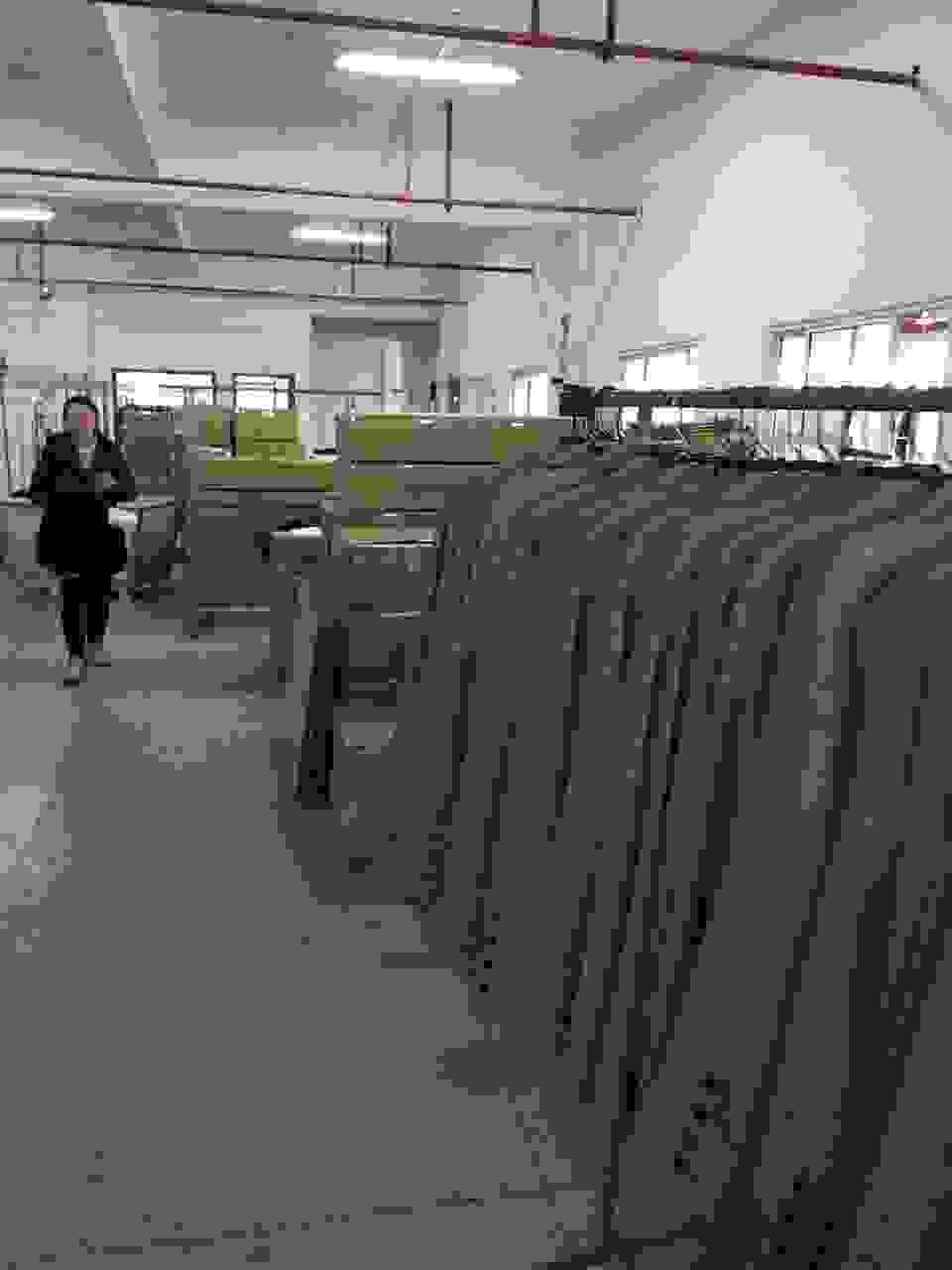
Hanging packing and shipping
50% of our production are shipped on hangers to destinations around the world. These finished garments are loaded directly into container‑ready cartons while still hanging, so that upon arrival, they can be placed straight onto store shelves for sale.


